How to Find the Right Lab Grown Diamonds in NZ
General September 19, 2026, Comments Off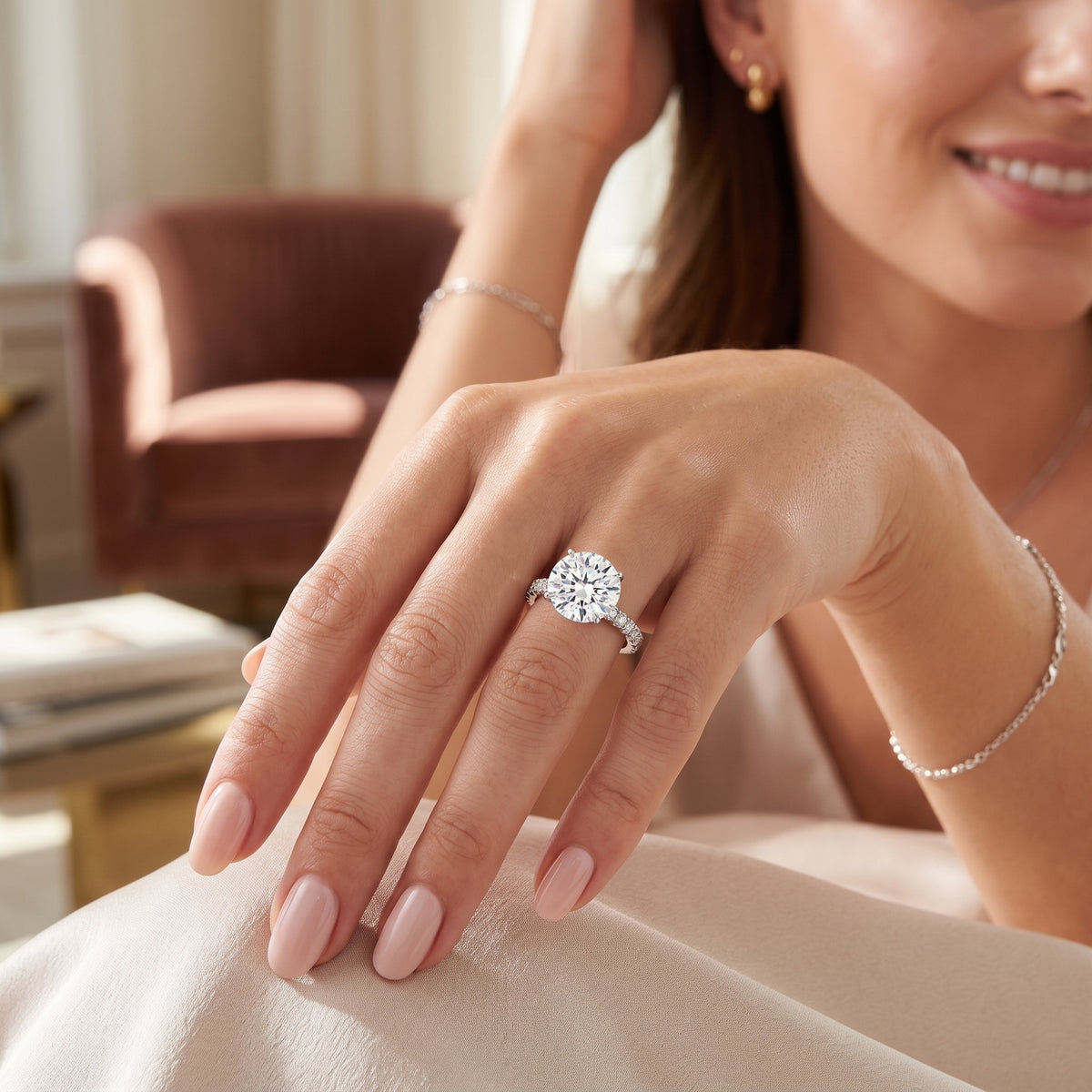
If you are planning to buy lab grown diamonds NZ shoppers have access to a growing range of diamond jewellery, loose stones, engagement rings, and custom designs. Lab grown diamonds have become an established part of the modern diamond market, giving buyers another option alongside traditionally mined diamonds.
Although they are created in a controlled environment rather than extracted from the earth, laboratory-grown diamonds have the same basic carbon crystal structure as natural diamonds. Advanced gemological testing is generally required to distinguish them reliably from natural stones.
For buyers, the important question is not simply whether to choose laboratory-grown diamonds. It is how to evaluate their quality, documentation, price, setting, and suitability before making a purchase.
What Are Lab Grown Diamonds?
Lab grown diamonds are diamonds created using technological processes that reproduce conditions capable of forming diamond material. The two major production methods are Chemical Vapor Deposition (CVD) and High Pressure High Temperature (HPHT). Both methods can produce gem-quality diamonds.
Unlike diamond simulants such as cubic zirconia or moissanite, lab grown diamonds are not simply diamond-looking alternatives. They are diamond material with essentially the same chemical and optical properties as natural diamonds.
The major distinction is their origin. Natural diamonds develop through geological processes, while laboratory-grown diamonds are produced using specialised equipment.
This difference is important when comparing products because origin can affect pricing, documentation, disclosure, and how the diamond is perceived in the marketplace.
Why More Buyers Are Considering Lab Grown Diamonds
One of the biggest attractions of lab grown diamonds is the opportunity to explore different combinations of size, quality, and design without limiting the search to traditionally mined stones.
For example, a buyer may compare a larger laboratory-grown centre stone with a smaller natural diamond while keeping the overall jewellery budget in mind.
Lab grown diamonds are also available in many familiar shapes, including:
- Round
- Oval
- Emerald
- Cushion
- Princess
- Pear
- Radiant
- Marquise
- Asscher
- Heart
New Zealand retailers offer laboratory-grown diamonds in both loose-stone and finished jewellery formats. Some also provide custom jewellery services, allowing customers to select a stone and combine it with a preferred setting.
Understanding the Four Cs
Before you buy lab grown diamonds NZ customers should understand the traditional diamond quality characteristics commonly referred to as the Four Cs: cut, colour, clarity, and carat weight.
Cut
Cut describes how effectively a diamond has been shaped and finished to interact with light. It can have a major effect on brightness, fire, and overall visual appearance.
A diamond with excellent proportions can look more lively than a poorly cut stone of the same carat weight.
When comparing stones, avoid choosing based on carat size alone. A slightly smaller diamond with better optical performance may have a more attractive appearance.
Colour
Diamond colour describes how much body colour is visible in a stone. Traditional grading systems commonly use a scale beginning with D for colourless stones and moving toward warmer grades.
When shopping, compare diamonds under consistent viewing conditions rather than relying exclusively on a grade printed on a listing.
It is also useful to remember that the appearance of colour can change depending on the jewellery setting. Yellow or rose gold, for example, can create a different visual effect from white gold or platinum.
Clarity
Clarity refers to internal inclusions and external characteristics.
Laboratory-grown diamonds can have their own growth-related characteristics, and gemological laboratories can evaluate these features as part of the examination process.
Higher clarity does not automatically mean that a diamond will look dramatically better to the unaided eye. The location and visibility of inclusions matter, so viewing the actual stone can be useful when possible.
Carat Weight
Carat measures weight, not visual quality.
Two diamonds with the same carat weight can look different because their proportions, shape, cut, and dimensions differ. This is particularly relevant when comparing elongated shapes such as oval, pear, emerald, and marquise diamonds.
A good purchase therefore considers all relevant characteristics rather than treating carat weight as the main measure of quality.
Check the Diamond Report
Documentation is an important part of buying laboratory-grown diamonds.
A reputable seller should clearly identify the diamond as laboratory-grown and provide appropriate information about its characteristics. Independent gemological documentation can provide additional confidence when purchasing a valuable stone.
GIA, for example, provides laboratory-grown diamond services and identifies the growth process, such as CVD or HPHT, in applicable reports. GIA also uses laser inscription to identify laboratory-grown stones and connect them with their report information.
However, grading practices can change. GIA announced in 2025 that it was moving toward a descriptive system for laboratory-grown diamonds using categories such as “Premium” and “Standard,” rather than continuing to apply the same colour and clarity nomenclature used for natural diamonds. Existing reports remain valid.
For this reason, check the date and type of the report rather than assuming every laboratory uses exactly the same terminology.
Compare Sellers Before You Buy
When searching for lab grown diamonds, do not compare retailers solely by the advertised price.
Look at the complete offer.
Consider whether the seller provides:
- Clear laboratory-grown disclosure
- Diamond certification or grading documentation
- Detailed stone specifications
- Information about the growth method
- Clear jewellery specifications
- Metal type and purity
- Ring or jewellery sizing information
- Warranty terms
- Returns and exchanges
- Shipping and delivery conditions
- After-sales support
- Customisation options
A lower advertised price may not represent the same product if the diamonds have different specifications or if one listing includes a more substantial setting.
New Zealand-based retailers currently advertise laboratory-grown diamond rings, earrings, pendants, and other jewellery, demonstrating the range of formats available to local shoppers.
Choose the Setting Carefully
The diamond is only one part of a finished jewellery piece.
For an engagement ring, consider the metal, setting style, band width, prong design, and overall proportions. A setting should complement the diamond without making everyday wear unnecessarily difficult.
Popular choices include white gold, yellow gold, rose gold, and platinum.
The setting also affects how large or prominent the centre diamond appears. Halo settings, for example, can create a larger visual presence, while a simple solitaire places more attention on the centre stone.
Think about lifestyle as well. A low-profile setting may be practical for someone who frequently works with their hands, while a more elaborate design may suit someone who prioritises visual detail.
Think About Long-Term Value
One common mistake is treating a diamond purchase as a straightforward investment.
Diamond prices can vary according to market conditions, characteristics, brand, design, supply, and other factors. Laboratory-grown diamonds have also experienced significant changes in production technology and market supply.
GIA research notes that the quantity, size, and quality of laboratory-grown diamonds have increased substantially as production technology has developed.
Therefore, it is better to purchase a diamond because it meets your preferences and budget rather than assuming it will provide a particular future financial return.
If resale value is important to you, ask the retailer about its policies and understand that a jewellery item’s original purchase price does not necessarily determine its future resale price.
Consider the Environmental Claims Carefully
Environmental considerations are often part of the laboratory-grown diamond conversation.
However, buyers should avoid assuming that every laboratory-grown diamond has exactly the same environmental profile. Production methods, energy sources, manufacturing practices, transportation, and supply chains can differ.
Similarly, claims such as “eco-friendly” or “sustainable” should be examined rather than accepted automatically.
Ask sellers for specific information supporting environmental claims if this factor is important to your purchasing decision.
Buying Lab Grown Diamonds in New Zealand
For people shopping locally, buying from a New Zealand-based retailer can make communication, delivery, returns, and after-sales service easier.
You can begin by deciding whether you want:
- A loose diamond
- A complete engagement ring
- Wedding jewellery
- Earrings or a pendant
- A custom-made design
Next, establish a realistic budget and identify your preferred shape and approximate size.
After that, compare individual diamonds rather than simply comparing headline prices. Review the available documentation, specifications, setting, warranty, and return conditions.
If you are purchasing online, make sure the product description clearly identifies the stone as laboratory-grown. Check the exact dimensions and jewellery measurements as well as photographs.
Questions to Ask Before Purchasing
Before completing your order, ask the retailer:
- Is the diamond laboratory-grown and clearly disclosed as such?
- Which growth method was used?
- Does the diamond have an independent laboratory report?
- Can I verify the report details?
- What are the diamond’s exact measurements?
- Has the diamond received any post-growth treatment?
- What metal is used for the setting?
- Is the jewellery hallmarked or otherwise identified?
- What is the return period?
- What warranty is included?
- What happens if the ring needs resizing?
- How is the item insured during delivery?
- Is the quoted price for the diamond alone or the complete jewellery piece?
These questions can prevent misunderstandings and make comparisons between different sellers much easier.
Final Thoughts
Choosing to buy lab grown diamonds NZ shoppers have an alternative to traditionally mined diamonds that can be considered alongside differences in origin, quality, design, documentation, and pricing.
The best approach is to focus on the actual characteristics of the stone and jewellery rather than marketing language alone. Compare cut and appearance, examine documentation, understand the setting, review retailer policies, and make sure laboratory-grown origin is clearly disclosed.
Laboratory-grown diamonds are now an established part of the gem and jewellery market, with recognised laboratories providing identification and quality assessment services.
Ultimately, a well-informed purchase starts with understanding exactly what you are buying and why it suits your budget, style, and intended use.
Author
