Shopping for a Diamond? Here’s What No One Explained to Me Early On
Uncategorized September 23, 2025, Comments Off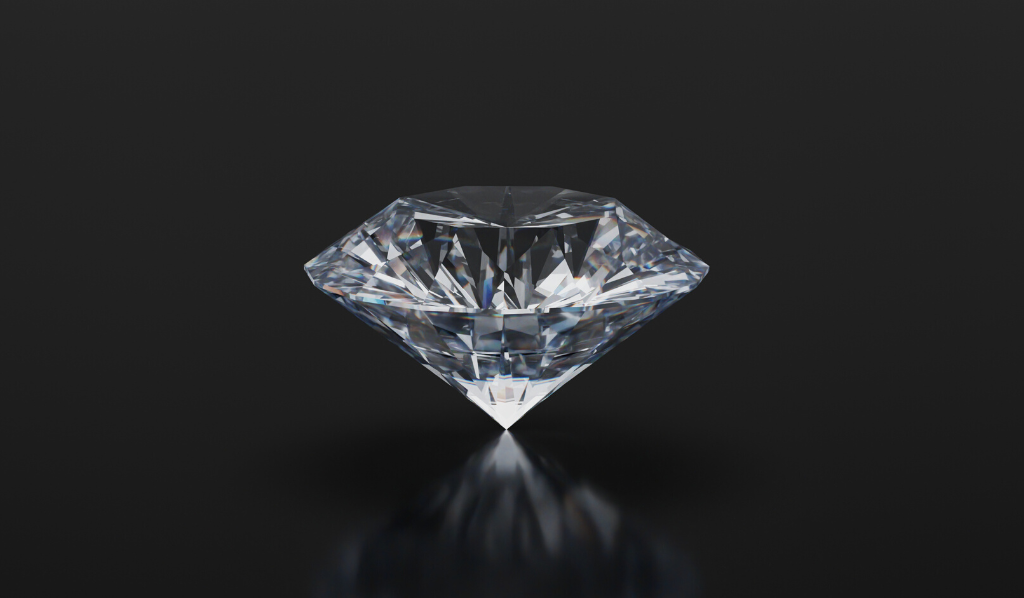
I didn’t grow up thinking much about diamonds. Honestly, I assumed they were either something you inherited, something you nervously bought once in your life, or something wildly out of reach unless you had a very healthy bank balance. That was the story I carried for years. Then, a few conversations, a bit of curiosity, and one slightly obsessive late-night research spiral later, I realised how outdated that thinking was — especially here in Australia.
Today, diamonds aren’t just about sparkle. They’re about values, transparency, technology, and choice. And if you’ve found yourself wondering whether lab-grown diamonds are “the real deal” or just another trend, you’re not alone. I had the same questions. So let’s talk about it — properly, without the sales pitch energy.
The quiet shift happening in the diamond world
You might not notice it straight away, but the jewellery industry has been changing for a while now. It’s not loud. It’s not flashy. It’s more like a steady hum in the background that eventually gets your attention.
People are asking better questions. Where did this stone come from? Who was involved in sourcing it? Why does it cost what it does? And perhaps the biggest one of all: does it actually need to be mined?
That’s where lab-grown diamonds enter the conversation — not as a replacement for tradition, but as an alternative that feels… well, very 2026.
These diamonds are chemically, physically, and visually identical to mined diamonds. Same sparkle. Same hardness. Same brilliance when the light hits just right. The difference is in the origin story, and for a growing number of Australians, that story matters more than ever.
Let’s clear up a big misconception (because it still pops up)
I still hear people say, “Oh, lab-grown diamonds aren’t real diamonds, are they?” And I get it — the word “lab” throws people off. It sounds synthetic, like plastic or something mass-produced without soul.
But here’s the thing. A lab-grown diamond is a diamond. Not a simulant. Not a cubic zirconia pretending to be something else. It’s carbon, arranged the same way nature does it, just without waiting a billion years underground.
Honestly, I was surprised to learn that even professional gemologists need specialised equipment to tell mined and lab-grown diamonds apart. To the naked eye — and even under a jeweller’s loupe — they’re indistinguishable.
That realisation alone changes the entire conversation.
Why Australians are warming up to lab-grown diamonds
There’s something uniquely Australian about wanting value without cutting corners. We like quality, but we’re not big on unnecessary markups or vague promises. And that mindset fits perfectly with lab-grown diamonds.
For one, they’re significantly more affordable. Not “cheap,” but sensibly priced. You’re not paying for scarcity created by mining limitations or inflated supply chains. You’re paying for the stone itself — its cut, clarity, colour, and carat.
Secondly, there’s the ethical side. While the diamond industry has made improvements over the years, many buyers still feel uneasy about traditional mining practices. Lab-grown diamonds remove that uncertainty entirely. No digging. No displacement. No ethical grey areas.
And then there’s sustainability. Australia is a country that takes environmental responsibility seriously — or at least tries to. Choosing a diamond that doesn’t require large-scale excavation just feels aligned with that broader awareness.
The moment people realise they have options
I’ve noticed something interesting when talking to couples shopping for engagement rings. There’s usually a moment — a pause — when they realise they don’t have to follow the script.
They can choose a larger stone without blowing their budget.
They can prioritise design over carat weight.
They can invest in craftsmanship instead of mining legacy.
That’s often when people decide to buy lab grown diamonds — not because they’re settling for less, but because they’re choosing smarter.
It doesn’t feel rebellious. It feels informed.
Are lab-grown diamonds “too perfect”?
This is a funny one, and it comes up more than you’d think.
Some people worry that lab-grown diamonds look too flawless, almost suspiciously so. But here’s the truth: lab-grown diamonds come in the same range of imperfections as mined ones. You can get a flawless stone, sure, but you can also choose one with tiny inclusions — the kind that make it unique.
Perfection isn’t the default. Choice is.
And honestly, the idea that imperfections give something character doesn’t disappear just because a diamond was grown above ground. Meaning comes from the wearer, not the geological timeline.
Jewellery that reflects modern relationships
This might sound sentimental, but I think the jewellery we choose often mirrors how we see relationships.
Modern couples tend to value partnership, equality, and transparency. They want something meaningful, not performative. Something that fits their story, not their grandparents’.
That’s why man made diamonds resonate so strongly with younger buyers and second-time-around couples alike. They represent intention. Thoughtfulness. A willingness to question old norms rather than follow them blindly.
It’s not about rejecting tradition. It’s about reshaping it.
Design freedom you didn’t know you had
Here’s something jewellers don’t always shout about: lab-grown diamonds open up creative possibilities.
Because the stones are more accessible price-wise, designers can experiment more. You’ll see bolder settings, unusual cuts, and custom pieces that would be prohibitively expensive with mined diamonds.
I’ve seen engagement rings that feel genuinely personal — asymmetrical designs, mixed metals, vintage-inspired settings with a modern edge. That level of creativity becomes far more attainable when the centre stone doesn’t eat up the entire budget.
And that’s exciting. Jewellery should feel expressive, not restrictive.
Addressing the resale question (yes, let’s go there)
This is usually the quiet concern people don’t want to ask out loud: “But will it hold its value?”
The honest answer? Diamonds — mined or lab-grown — aren’t great investments in the traditional sense. They’re emotional purchases. Sentimental ones. The idea that mined diamonds reliably appreciate in value is mostly marketing mythology.
Lab-grown diamonds do depreciate faster, yes. But if resale value is your primary concern, jewellery probably isn’t the right asset class anyway.
Most people aren’t planning to resell their engagement ring. They’re planning to wear it, live in it, pass it down, or simply enjoy it for what it represents.
And in that context, value takes on a different meaning.
The Australian market is catching up fast
A few years ago, lab-grown diamonds felt niche here. Now? Not so much.
Australian jewellers are embracing them, educating buyers, and offering side-by-side comparisons without judgement. That transparency builds trust — and trust is everything in this space.
Consumers are more informed than ever. They’re reading, comparing, asking questions. And when people feel respected rather than pressured, they tend to make choices that genuinely suit them.
It’s refreshing, actually.
Choosing what feels right (not what you’re told to choose)
At the end of the day, there’s no moral high ground in diamond choices. Mined diamonds aren’t “bad,” and lab-grown diamonds aren’t “better.” They’re simply different paths to the same outcome: something beautiful, enduring, and meaningful.
What matters is that you understand what you’re buying and why.
If a diamond formed deep in the earth speaks to you — that’s valid.
If a diamond grown through cutting-edge technology aligns with your values — that’s valid too.
The best choice is the one you make with open eyes and a clear head.
A final thought, from one human to another
Well, if there’s one thing I’ve learned through all this, it’s that diamonds say more about the present than the past. They reflect who we are now — thoughtful, curious, and not afraid to question tradition.
Lab-grown diamonds aren’t a trend that’ll disappear. They’re part of a broader shift toward conscious consumption and personal meaning.
And honestly? That feels like a pretty solid foundation for something meant to last a lifetime.
If you’re exploring your options, take your time. Ask questions. Try things on. Let yourself be surprised.
Author
